Echoes of the Past: The Enduring History and Traditions of Scottish Folk Music
Delve into the captivating history of Scottish folk music, exploring its deep roots, iconic songs, and the enduring traditions that have shaped Scotland’s rich musical heritage. Discover the origins of Celtic music and the ancient instruments that continue to resonate through generations.
The Ancient Origins of Scottish Folk Music
Scottish folk music, a vibrant tapestry of sound and storytelling, boasts a history as ancient and rugged as the Highlands themselves. Its origins are intertwined with the Celtic cultures that thrived in Scotland centuries ago, leaving an indelible mark on the nation’s musical identity. Exploring these origins reveals a rich blend of influences that shaped the unique character of Scottish folk.
Celtic Roots and Early Influences
The foundation of Scottish folk music lies firmly in Celtic traditions. The Celts, who migrated to Scotland thousands of years ago, brought with them their own musical forms and instruments. These early Celtic melodies and rhythms formed the bedrock upon which Scottish folk music would later evolve. The oral tradition played a crucial role, with stories and songs passed down through generations, preserving the cultural heritage and shaping the narratives embedded in the music.
The Role of Ancient Instruments
The early development of Scottish folk music was also defined by the instruments available at the time. The harp, a symbol of Celtic culture, was a central instrument, providing accompaniment for singers and storytellers. The bagpipes, perhaps the most iconic of Scottish instruments, gradually emerged as a prominent force, its distinctive sound becoming synonymous with Scottish identity. Other early instruments included the fiddle (violin), various types of flutes, and percussion instruments, each contributing to the evolving soundscape of Scottish folk music.
Traditional Scottish Songs: Chronicles of Life and Love
Scottish folk songs are more than just melodies; they are chronicles of the lives, loves, struggles, and triumphs of the Scottish people. From ballads of epic battles to laments of lost love, these songs offer a window into the heart and soul of Scotland. Examining the themes and stories within these songs provides a deeper understanding of the cultural values and historical experiences that shaped Scottish society.
Ballads of Battles and Bravery
Many traditional Scottish songs recount tales of battles fought for freedom and independence. These ballads often feature heroic figures and dramatic narratives, celebrating courage and sacrifice in the face of adversity. Songs like “Scots Wha Hae,” often considered an unofficial national anthem, embody the spirit of Scottish resistance and the enduring desire for self-determination.
Laments of Love and Loss
- Scottish folk music is also renowned for its poignant laments and love songs.
- These songs explore the complexities of human relationships, expressing both the joy of love and the pain of loss.
- Themes of longing, heartbreak, and the bittersweet nature of life are prevalent, creating a sense of emotional depth and resonance.
Songs like “Auld Lang Syne,” a timeless ballad of friendship and remembrance, exemplify the enduring power of Scottish folk music to evoke feelings of nostalgia and connection.
The Enduring Traditions of Scottish Folk Music
Scottish folk music is not merely a relic of the past; it is a living tradition that continues to evolve and thrive in the modern era. The traditions surrounding the music, from the communal gatherings to the passing down of songs and stories, are essential to its preservation and continued relevance. Understanding these traditions sheds light on the cultural significance of Scottish folk music and its ability to connect generations.
Communal Gatherings and Ceilidhs
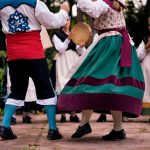
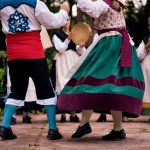
Ceilidhs, traditional Scottish social gatherings featuring music, dance, and storytelling, play a vital role in preserving and promoting Scottish folk music. These events provide a space for musicians and audiences to come together, share their love of the music, and pass down traditions to younger generations. The lively atmosphere and communal spirit of ceilidhs contribute to the vibrant and enduring nature of Scottish folk music.
The Passing Down of Songs and Stories
The oral tradition remains a cornerstone of Scottish folk music. Songs and stories are often learned by ear and passed down through families and communities. This process ensures that the music remains a living and evolving art form, adapting to new contexts and interpretations while retaining its core essence. The dedication to preserving this oral tradition is a testament to the cultural significance of Scottish folk music and its importance to the Scottish identity.
In conclusion, Scottish folk music represents a rich tapestry woven from ancient Celtic roots, historical experiences, and enduring traditions. Its iconic songs and instruments, coupled with its vibrant communal gatherings, serve as a powerful reminder of Scotland’s cultural heritage and its enduring spirit.
Explore more about the fascinating history of Scottish folk music on scottish-folk-music.com!