Beyond the Kilt: A Deep Dive into Scottish Folk Instruments
Delve into the vibrant world of Scottish folk music beyond the familiar kilt, exploring the iconic bagpipes, the enchanting fiddles, and the evolution of traditional Celtic instruments.
The Haunting Sound of Bagpipes: A History
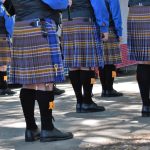
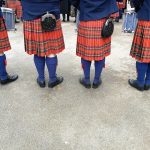
No instrument is more synonymous with Scotland than the bagpipes. But the history of the bagpipes is as complex and intriguing as its sound. While often associated solely with Scotland, the bagpipes have roots that stretch back to ancient civilizations throughout Europe and the Middle East. However, it was in Scotland that the instrument truly flourished and evolved into the iconic instrument we know today.
The Great Highland Bagpipe, in particular, became deeply intertwined with Scottish culture, serving as a symbol of national identity and resistance. From rallying clans on the battlefield to providing the soundtrack for celebrations and ceremonies, the bagpipes have played a pivotal role in shaping Scottish history and folklore.
Mastering the Fiddle: Techniques and Styles
The fiddle, or violin, holds a place of equal importance in the realm of Scottish folk music. Its versatility and expressiveness allow it to convey a wide range of emotions, from lively reels and jigs to melancholic airs and laments.
Scottish fiddle playing is characterized by its unique ornamentation, bowing techniques, and rhythmic drive. Common techniques include the use of drones, double stops, and characteristic bowing patterns like the “Scotch snap”. Regional variations also contribute to the richness and diversity of Scottish fiddle styles, with distinct traditions found in areas like Shetland, the Highlands, and the Borders.
- Shetland Style: Known for its intricate ornamentation and use of double stops.
- Highland Style: Characterized by a strong rhythmic drive and powerful bowing.
- Borders Style: Features a smoother, more lyrical approach to playing.
Beyond Bagpipes and Fiddles: Exploring Other Traditional Instruments
While bagpipes and fiddles may be the most recognizable instruments in Scottish folk music, a wealth of other traditional instruments contribute to the richness and diversity of the genre. These include:
- The Accordion: A relative newcomer to the Scottish folk scene, the accordion has become increasingly popular in recent decades, adding a distinctive rhythmic and melodic element to many ensembles.
- The Celtic Harp (Clarsach): With its delicate and ethereal sound, the Celtic harp is a symbol of ancient Celtic tradition and continues to be played in Scotland today.
- The Whistle (Tin Whistle): A simple yet versatile instrument, the tin whistle is often used to play melodies and ornamentation in traditional tunes.
- The Bodhrán: An Irish drum, the bodhrán has also found a place in Scottish folk music, providing a rhythmic backbone to many ensembles.
The Evolution of Celtic Instruments in Scotland
The evolution of Celtic instruments in Scotland is a fascinating journey, shaped by historical influences, cultural exchange, and continuous innovation. Over centuries, instruments have been adapted and refined to reflect the unique identity and musical traditions of Scotland.
For example, the Celtic harp, once a symbol of Gaelic royalty, underwent a period of decline before being revived in the 20th century. Similarly, the bagpipes evolved from simpler forms into the complex and powerful instrument we know today.
The ongoing evolution of Scottish folk instruments reflects the dynamic nature of the tradition itself. As musicians continue to experiment and innovate, they ensure that the music remains vibrant and relevant for generations to come.
The Thriving Scottish Folk Music Scene Today
Despite the challenges of modern life, the Scottish folk music scene remains remarkably vibrant and resilient. From traditional sessions in local pubs to large-scale festivals celebrating Celtic culture, there are countless opportunities to experience the magic of Scottish folk music.
Organizations like the Traditional Music Forum and the Scottish Arts Council play a vital role in supporting and promoting the tradition, ensuring that it continues to thrive for years to come.
Whether you’re a seasoned musician or a curious listener, there’s never been a better time to delve into the world of Scottish folk instruments and discover the rich cultural heritage they represent. So grab your bagpipes, tune your fiddle, and prepare to be transported to the heart of Scotland’s musical soul.